Refrigeration Monoblock
The All-in-One Cooling Solution
Definition
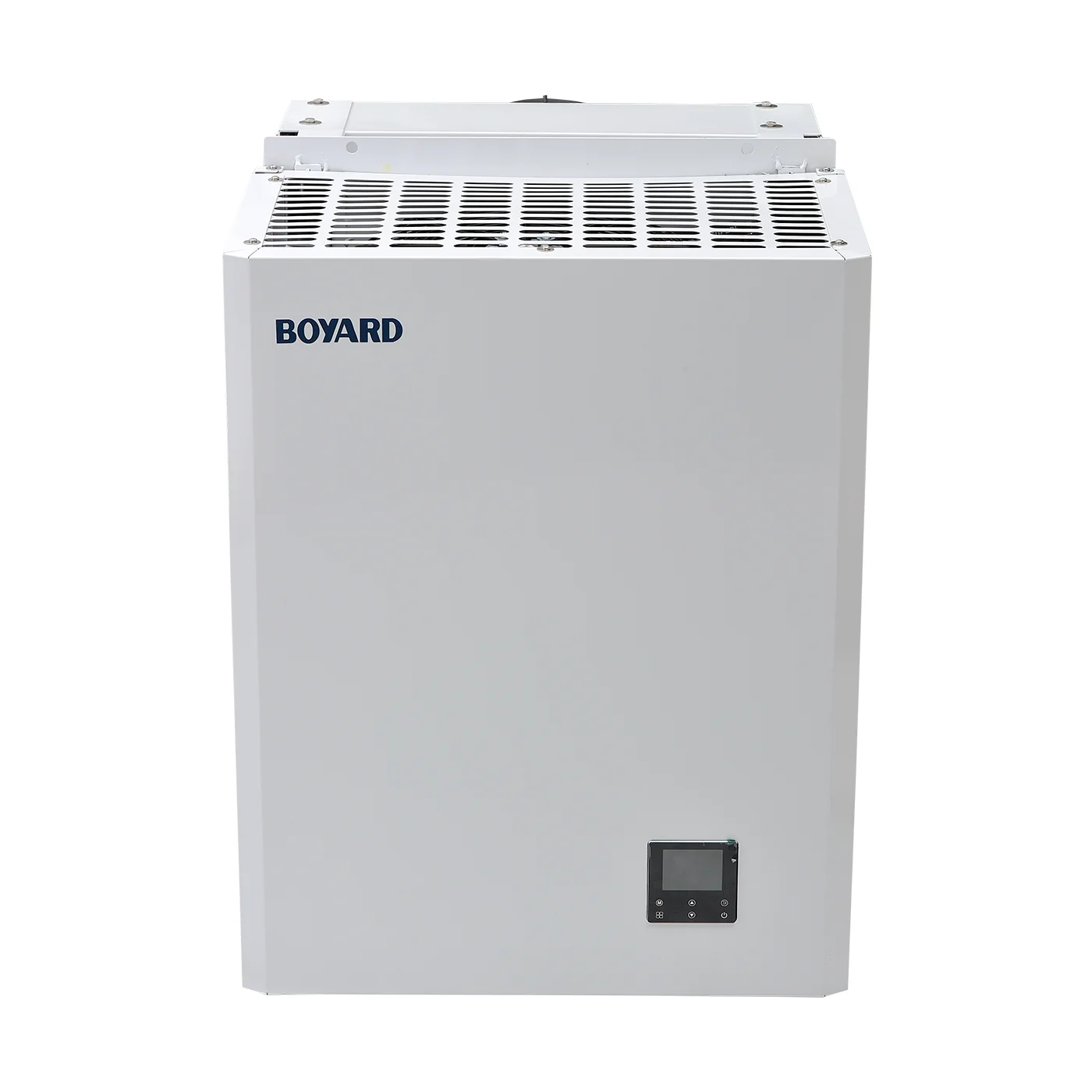
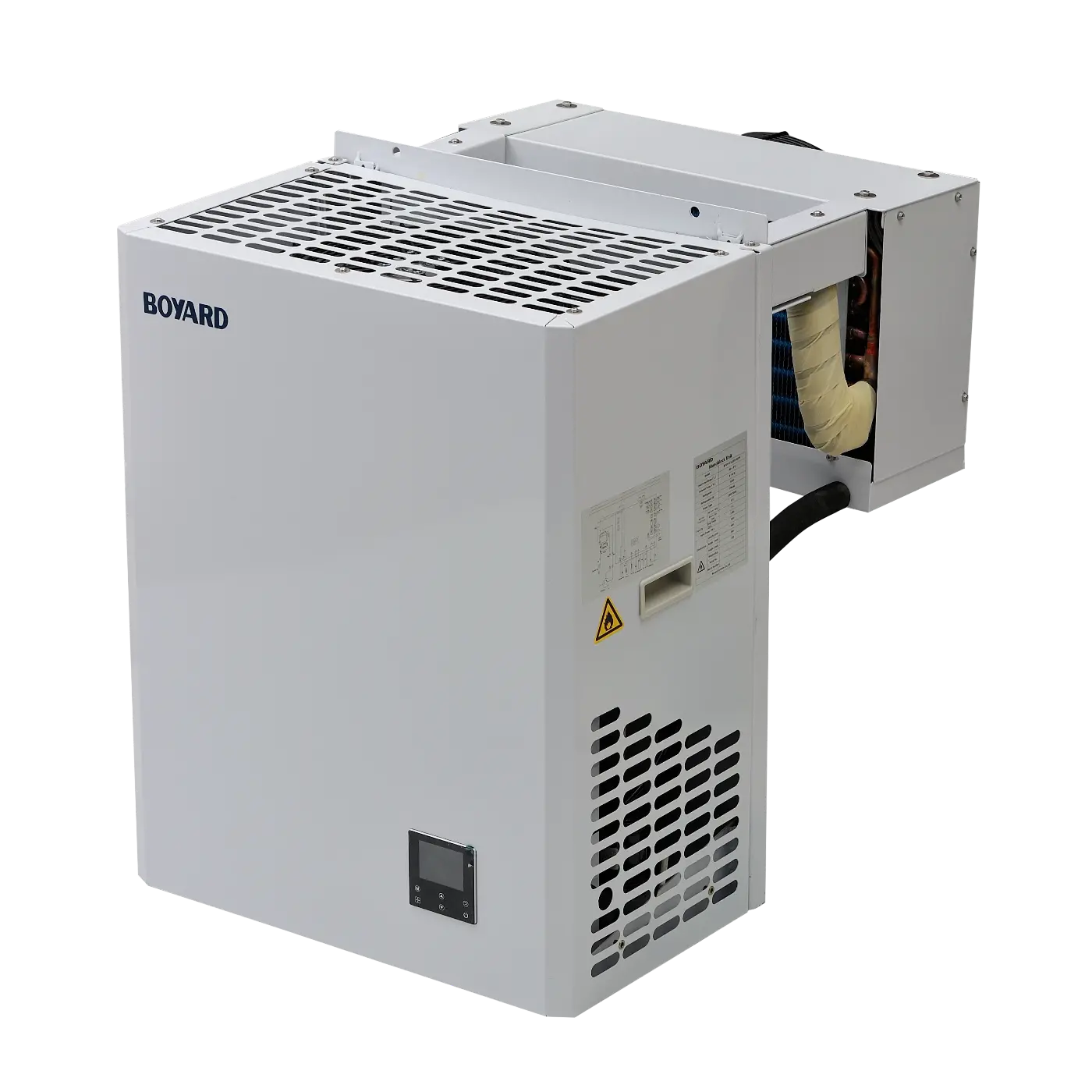
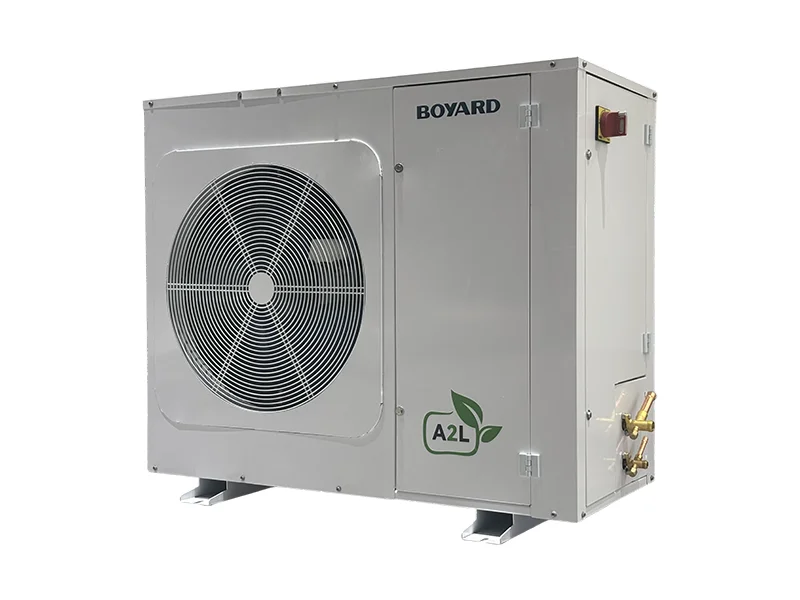
A refrigeration monoblock is a self-contained, all-in-one refrigeration system.It integrates both the condensing unit (compressor, condenser) and the evaporator into a single compact housing.It is typically mounted on the wall, ceiling, or straddling the cold room panel. Unlike traditional split systems with separate indoor and outdoor units, a monoblock arrives pre-assembled, pre-charged, and factory-tested, requiring no refrigeration piping on-site.
Key Features
Monoblocks are known for their user-friendly design and robust performance.
- Ease of Installation (Plug & Play): Installation is quick (as little as 2-3 hours) and does not require specialized refrigeration technicians for brazing or piping. It is truly “plug and play” .
- Compact & Space-Saving:The unit is extremely compact, fitting into tight spaces. Ceiling-mounted or wall-mounted options are available to maximize internal storage space .
- Factory-Sealed Reliability: Because the system is assembled and sealed in a factory, the risk of refrigerant leaks is minimized. Mass production also ensures consistent quality .
- Low Maintenance: With fewer field-installed connections, there are fewer potential failure points, reducing maintenance costs and downtime
Boyard Monoblock
- The entire unit is assembled and tested in the Boyard factory, making installation simple and plug-and-play. On-site work such as welding and refrigerant charging is not required.
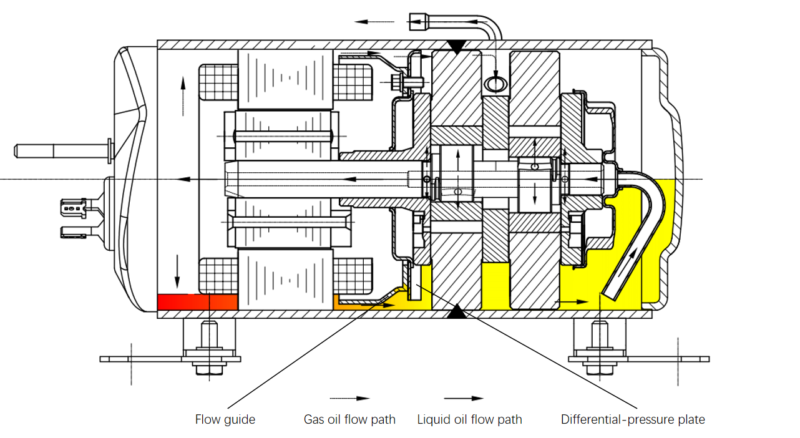
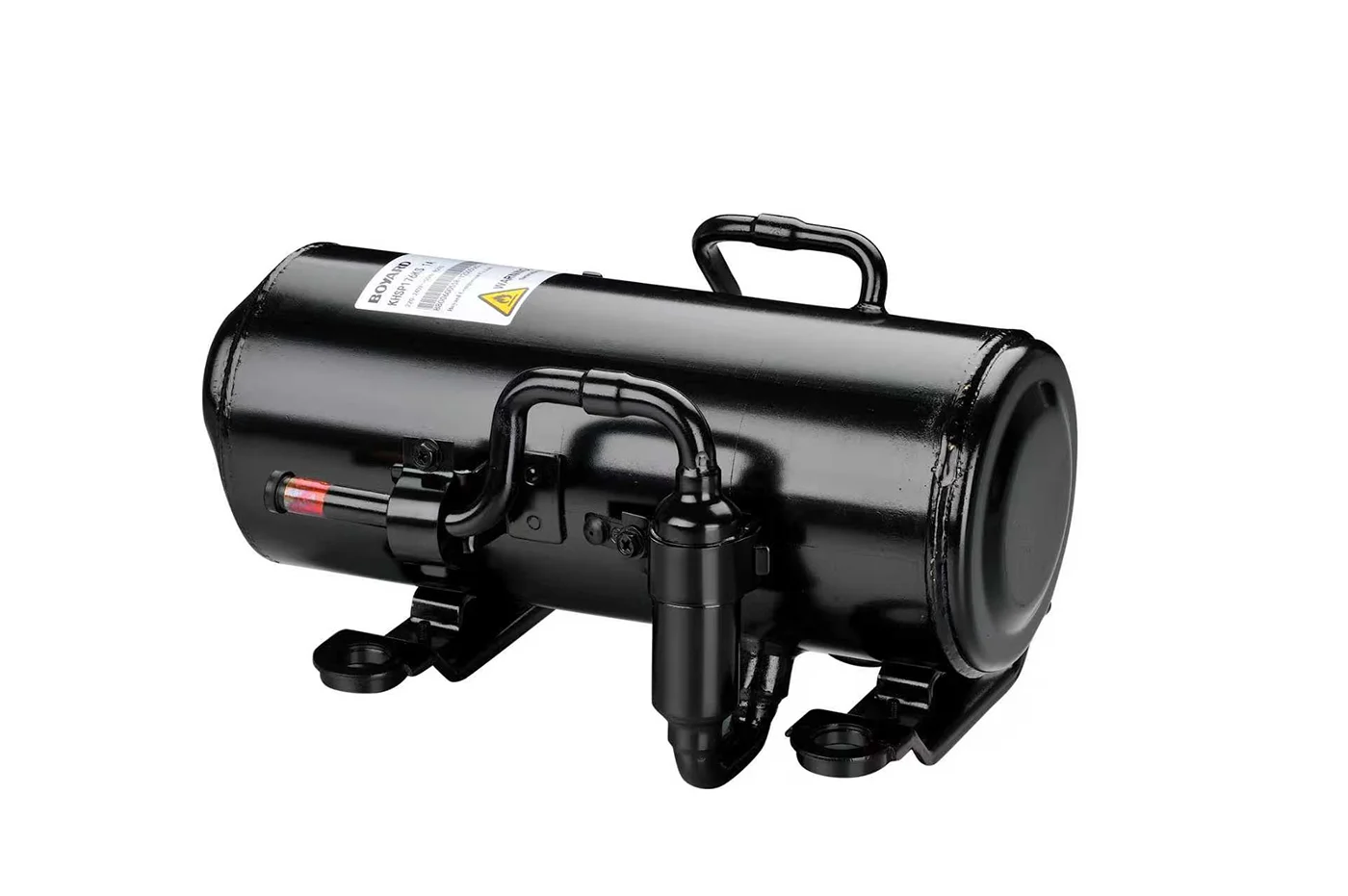
- The compressor can be either an inverter compressor or a DC compressor.
- An electronic expansion valve is used for throttling control, and a four-way valve is used for hot gas defrosting.
- The defrosting mode can be either timed defrosting or on-demand defrosting.
- Condensate water can achieve self-evaporation.
Key Components
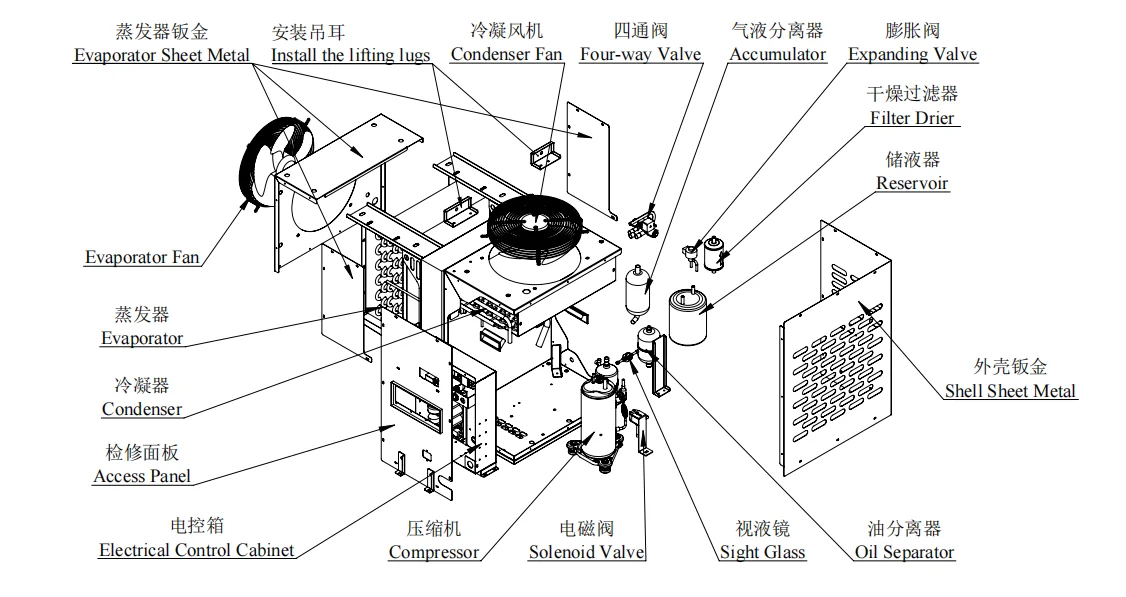
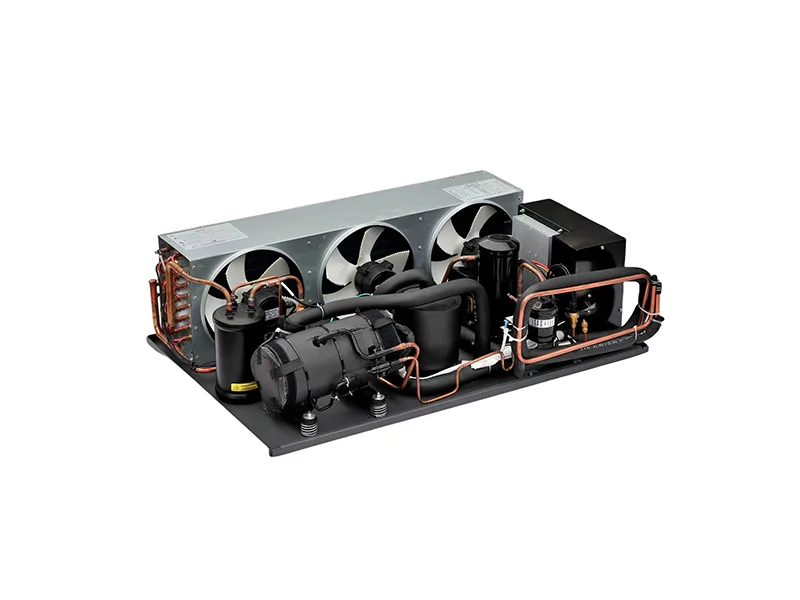
- All components of the refrigeration cycle are housed inside the unit.
- Compressor: Often variable speed (inverter) for energy efficiency .
- Condenser: Air-cooled or water-cooled coils reject heat to the outside .
- Evaporator: Absorbs heat from inside the cold room.
- Expansion Valve: Electronic (EXV) or capillary tube for precise refrigerant control .
- Controller: Pre-programmed electronic controls (e.g., Dixell) for easy temperature management and diagnostics .
The R290 Advantage
Modern monoblocks are leading the transition toward natural refrigerants. R290 offers excellent thermodynamic properties, leading to energy-efficient cooling and lower operating costs .
| Feature | Traditional HFCs (e.g., R404A) | R290 (Propane) Monoblock |
| Global Warming Potential | High (GWP ~4000) | Ultra-Low (GWP = 3) |
| Environmental Impact | High contribution to greenhouse gases | Minimal environmental impact |
| Regulatory Compliance | Phase-out under F-Gas / AIM Acts | Future-proof, compliant with regulations |
| Refrigerant Type | Synthetic | Natural |
Installation & Applications
One of the strongest selling points is the ease of retrofit and new installation. The unit comes pre-charged. No need to run copper lines or handle refrigerant gas in the field. For rooftop replacements, the unit is light enough to install without heavy lifting equipment; it mounts directly onto the cold room panel. Once mounted, it simply requires a standard electrical connection to start operating .
Where can you use a Monoblock? Due to their modular nature, they are ideal for small to medium-sized volumes (up to approx. 30 m³).
Convenience Stores (C-Stores): Perfect for walk-in coolers and freezers.
Food Service: Restaurants, butchers, and delicatessens requiring reliable storage.
Micro-Fulfillment: Cold storage for delivery hubs.
Hotels & Logistics: Small cold rooms for back-of-house operations.
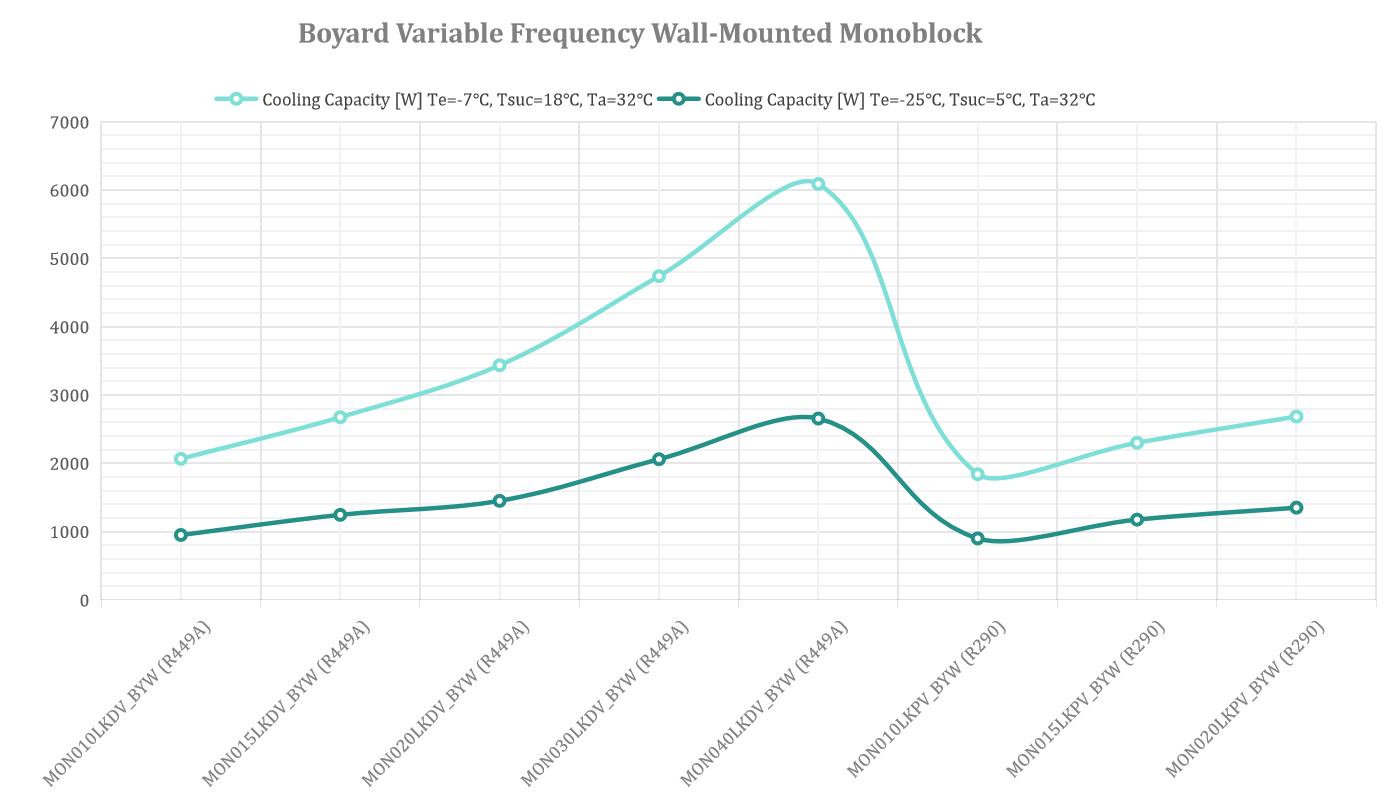
Product Range