What is a Heat Pump, and Why Does Compressor Technology Matter?
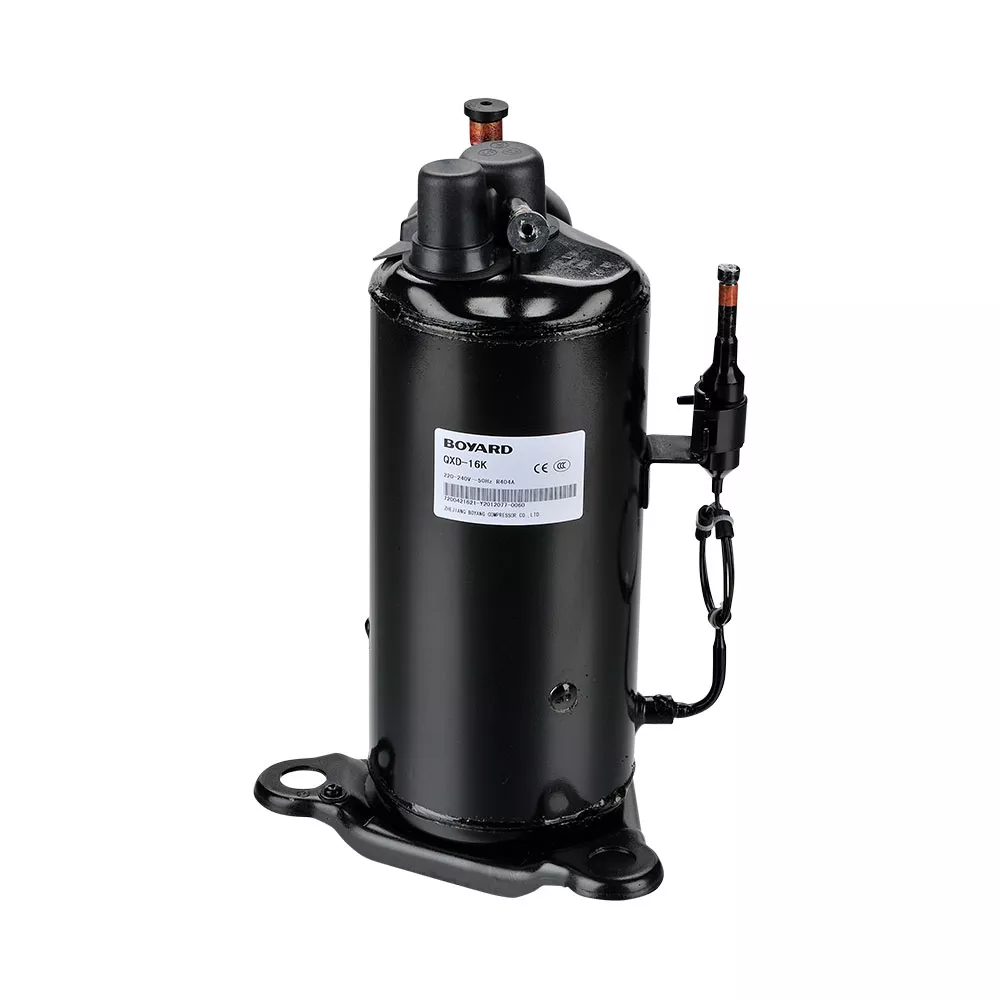
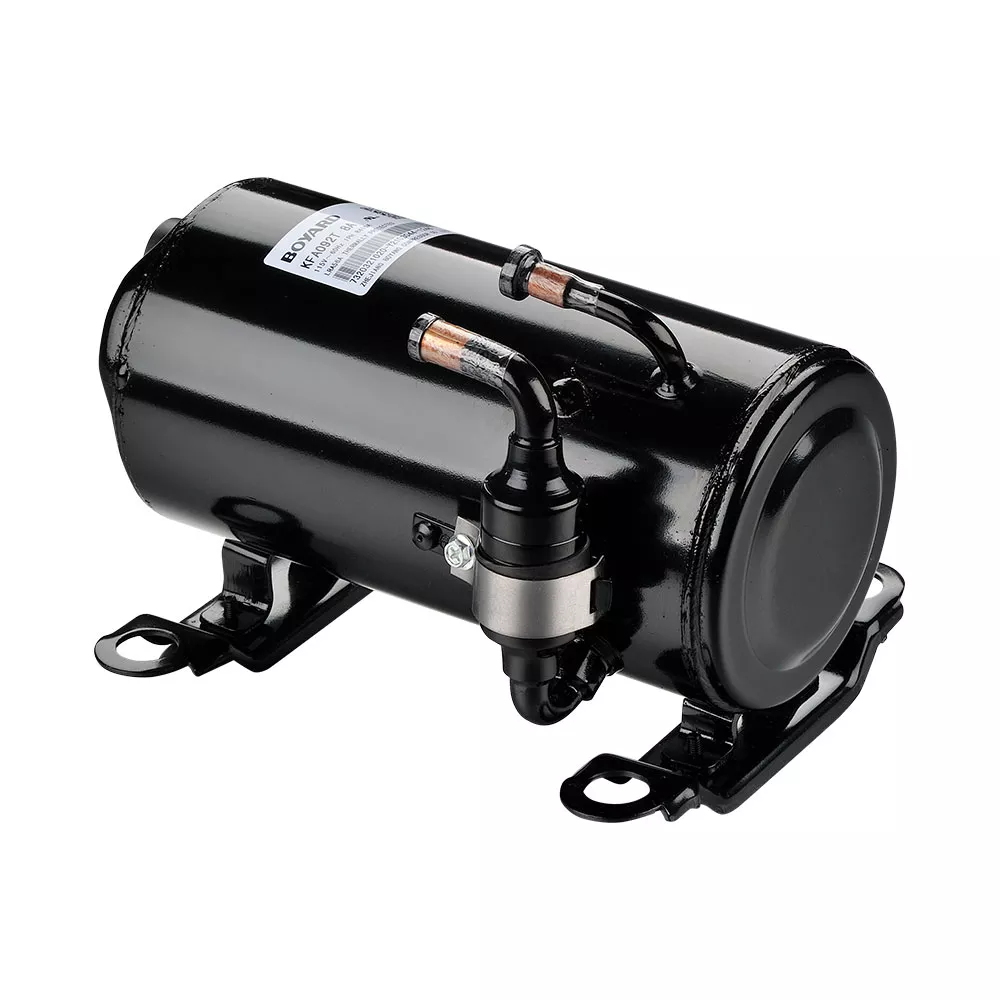
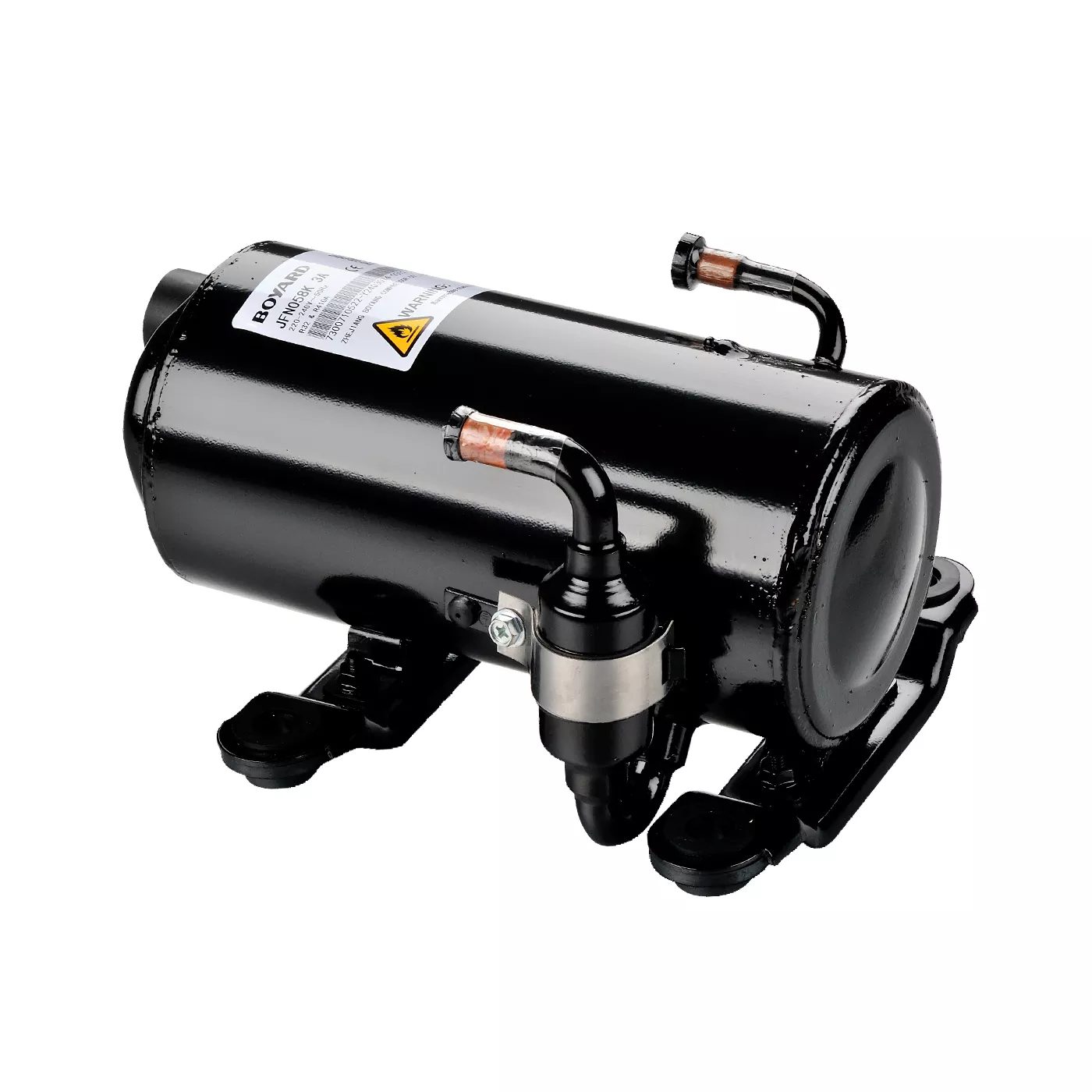
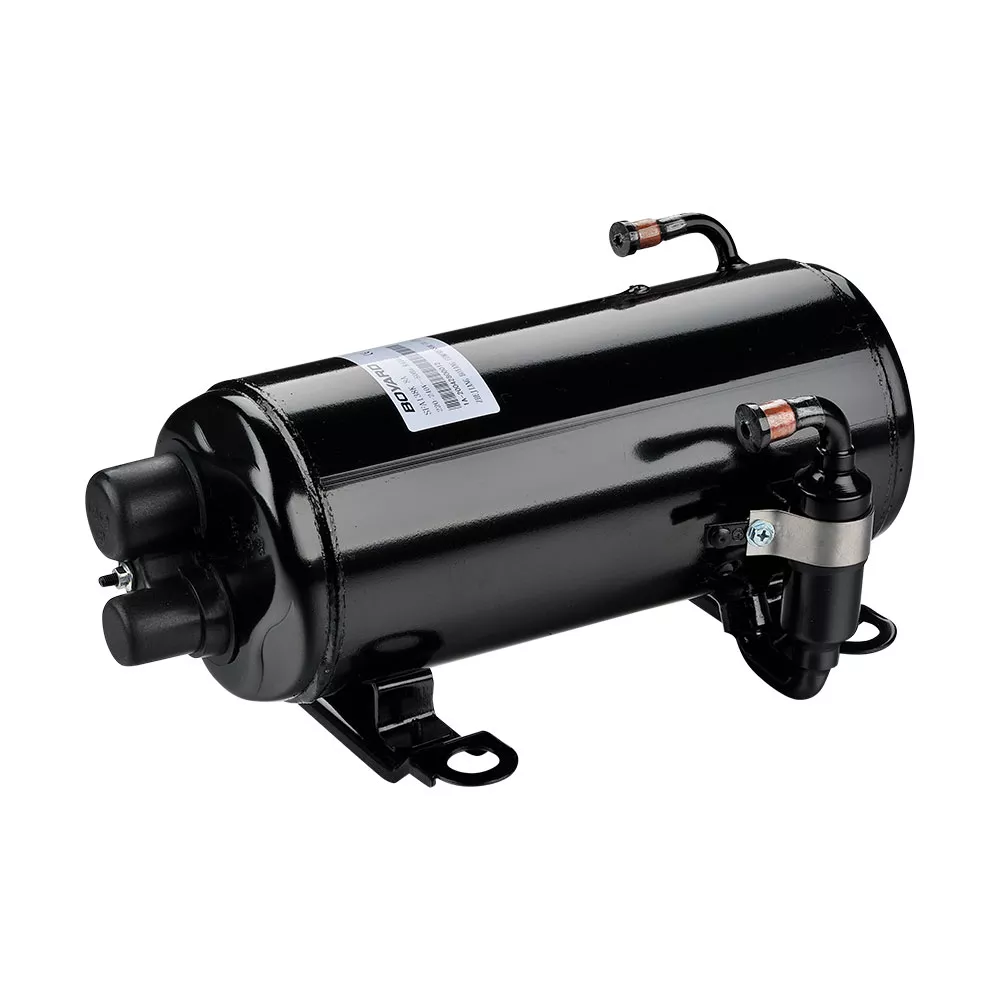
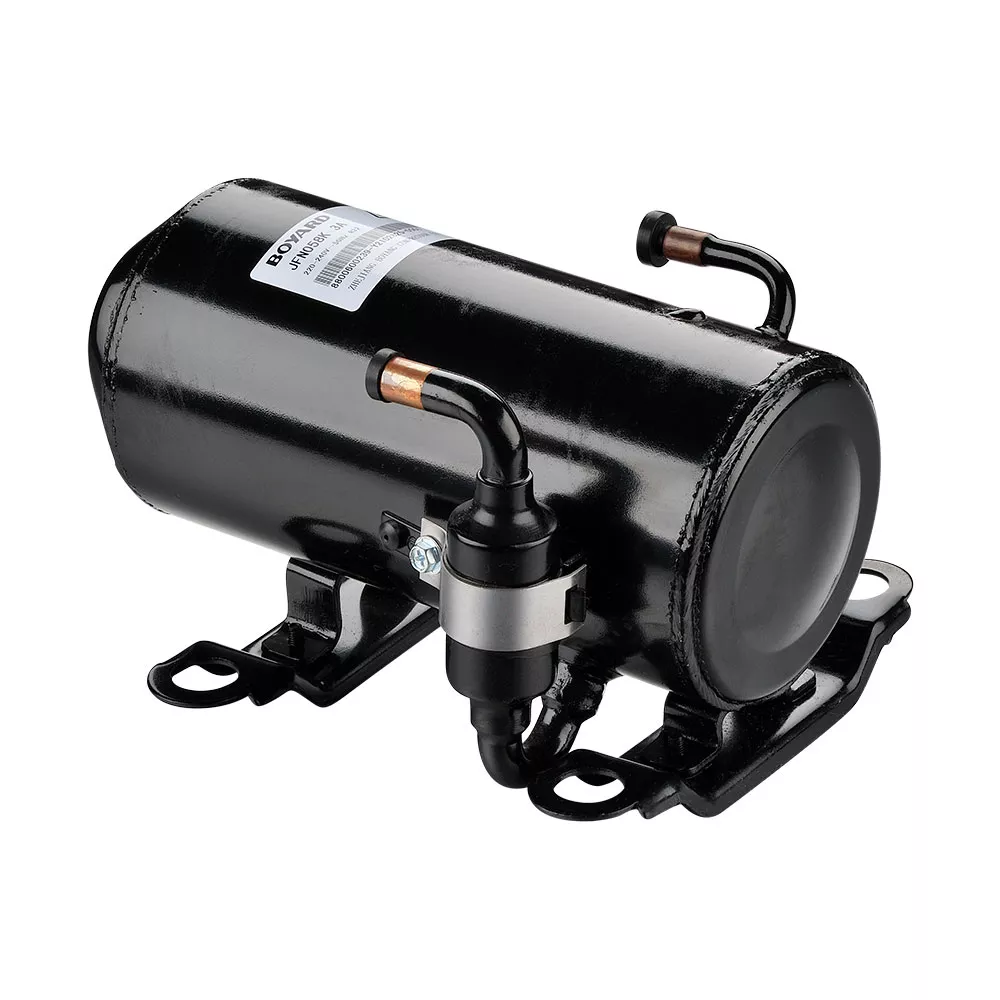
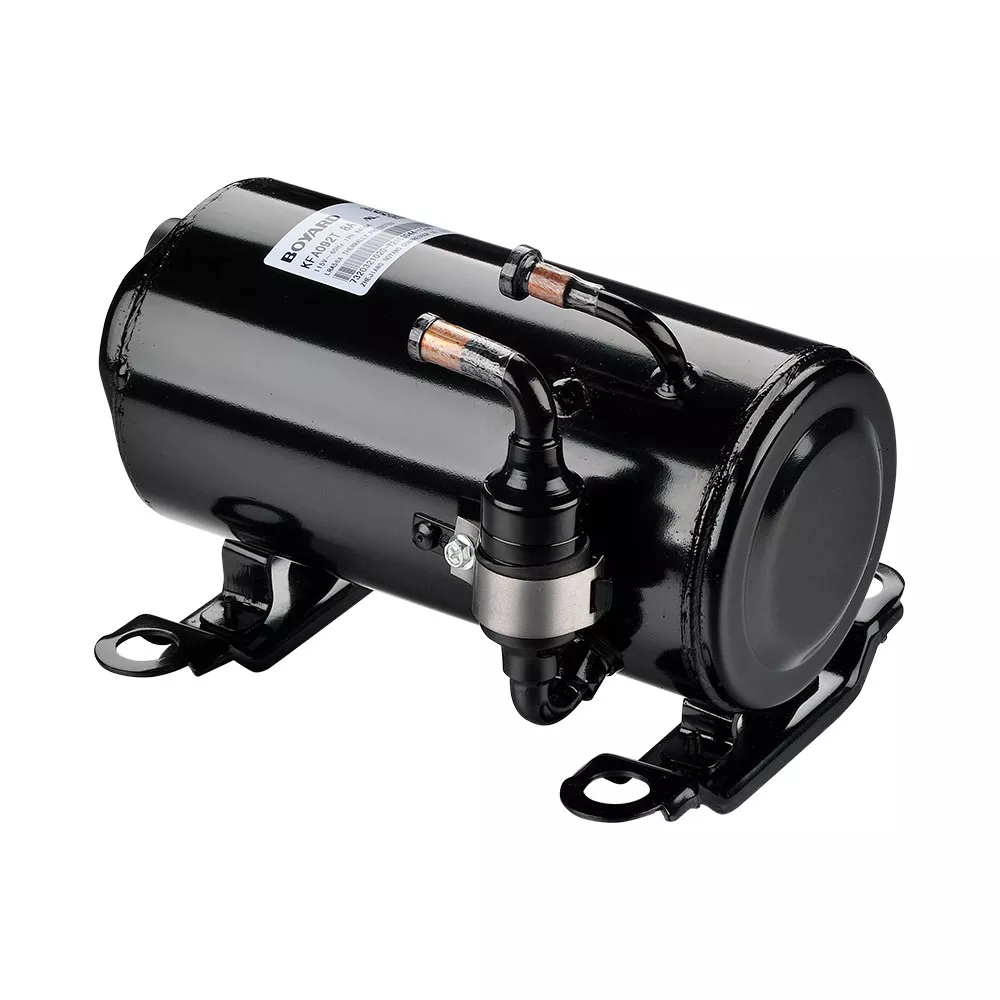
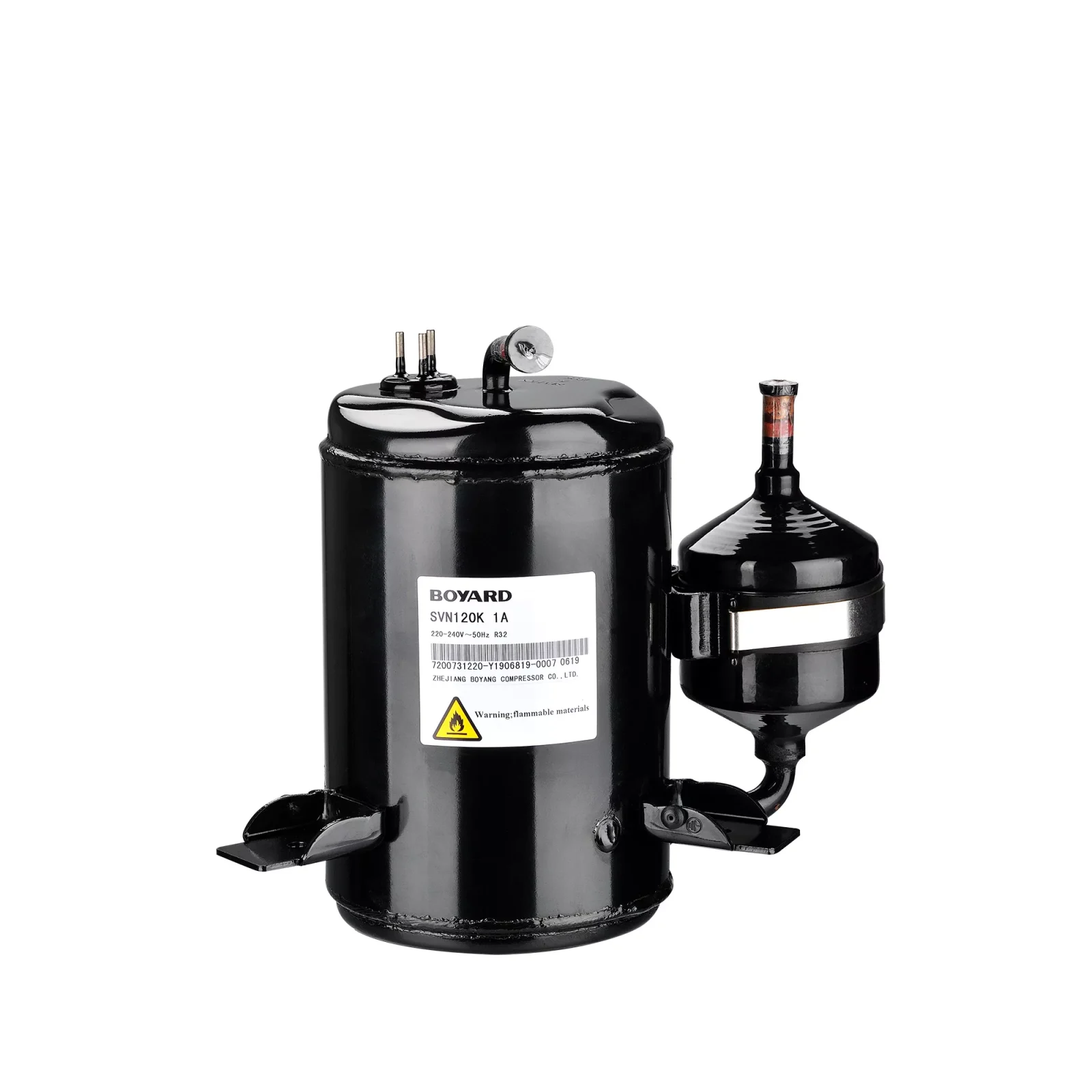
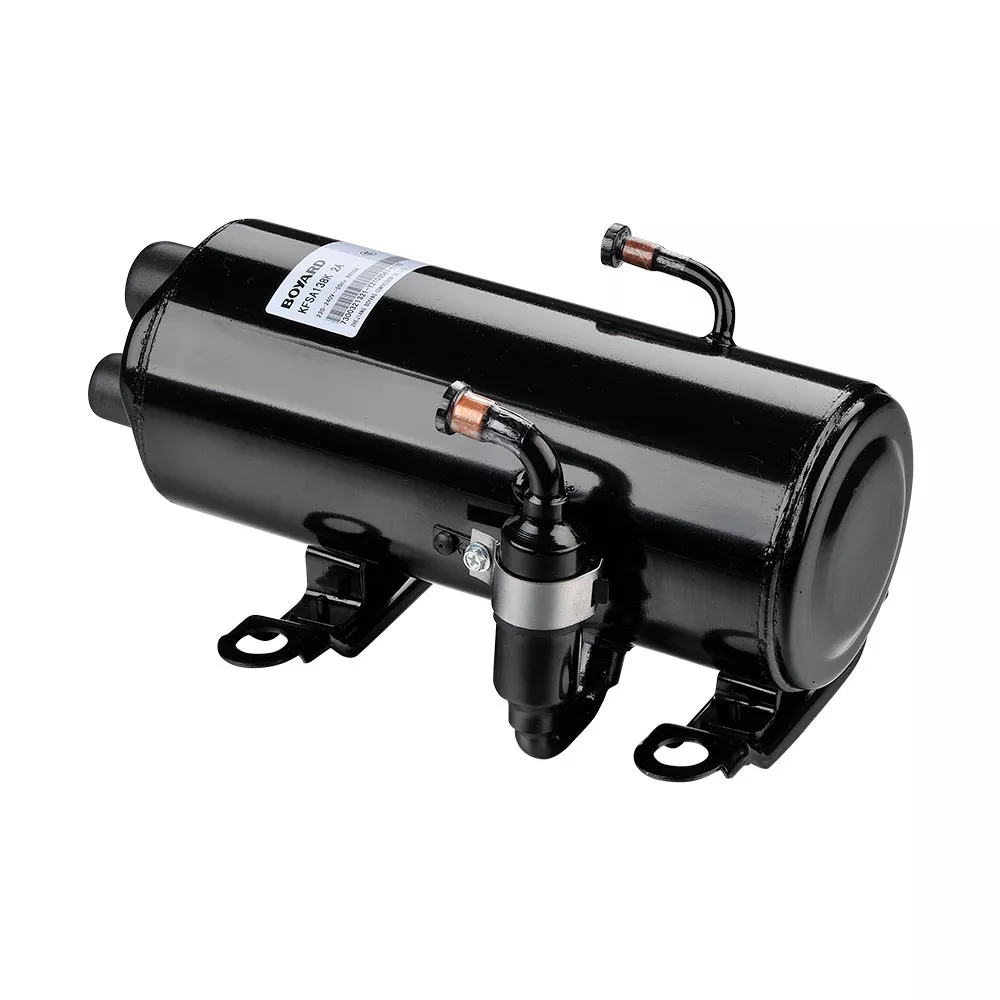
A heat pump operates on the vapor-compression cycle, transferring thermal energy from a low-temperature source (e.g., outdoor air, ground, or water) to a high-temperature space (indoor environments). Unlike furnaces or air conditioners, which rely on fuel combustion or refrigerant evaporation alone, heat pumps “move”heat, drastically reducing energy consumption.The compressor, often called the “heart”of the system, pressurizes refrigerant to raise its temperature, enabling efficient heat transfer.For heat pumps to perform reliably across climates and loads, the compressor must excel in extreme conditions—a challenge Boyard’s hermetic rotary compressors (ATA series) address with precision.
1.High Compression Ratio: Maximizing Heat Extraction in Cold Climates
The compression ratio (discharge pressure/suction pressure) is critical for extracting heat from low-temperature sources.A higher ratio allows systems to operate efficiently even in subzero conditions, where traditional compressors often falter due to internal leakage or reduced efficiency.
Boyard hermetic rotary compressors are engineered with a compact, single-rotor design that minimizes internal clearance volumes.This precision reduces refrigerant leakage during compression, ensuring more heat is extracted per cycle.Even when outdoor temperatures plummet to -25℃ (-13°F), these compressors maintain high efficiency, eliminating the need for costly auxiliary electric resistance heaters. For homeowners in Nordic countries or northern China, this means reliable winter heating with lower energy bills.
2.Wide Operating Range: Adapting to Diverse Climates and Applications
Heat pumps must perform seamlessly across fluctuating temperatures—from sweltering summers to frigid winters. A compressor with a narrow operating range forces system designers to add auxiliary components (e.g., electric heaters or defrost cycles), increasing complexity and cost.
Boyard hermetic rotary compressors thrive in extreme conditions, operating efficiently from -25℃ (-13°F) in heating mode to 45℃ (113°F) in cooling mode.This adaptability simplifies system design and reduces installation costs, making them ideal for diverse applications: residential homes, commercial buildings, and even mobile environments like vehicles.For instance, in regions with seasonal extremes—such as the U.S. Midwest or Southeast Asia—these compressors ensure stable indoor temperatures without compromising efficiency.