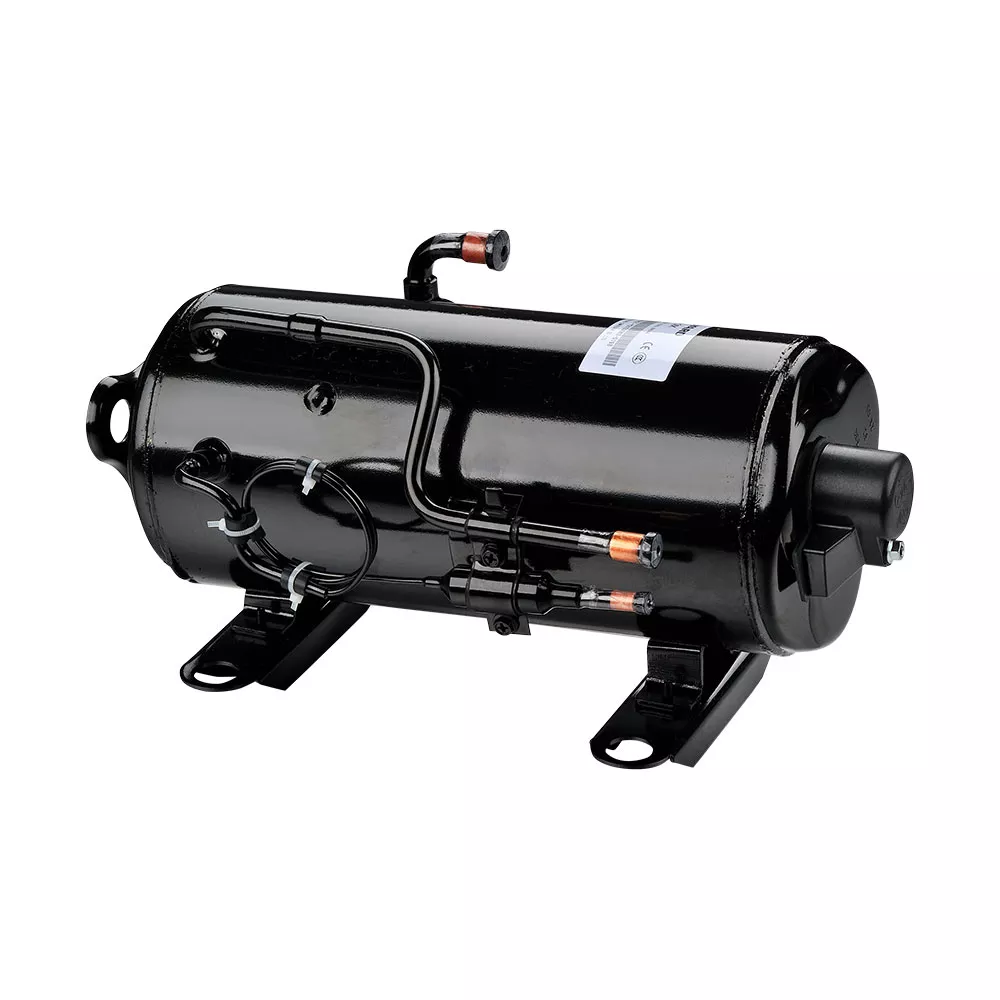
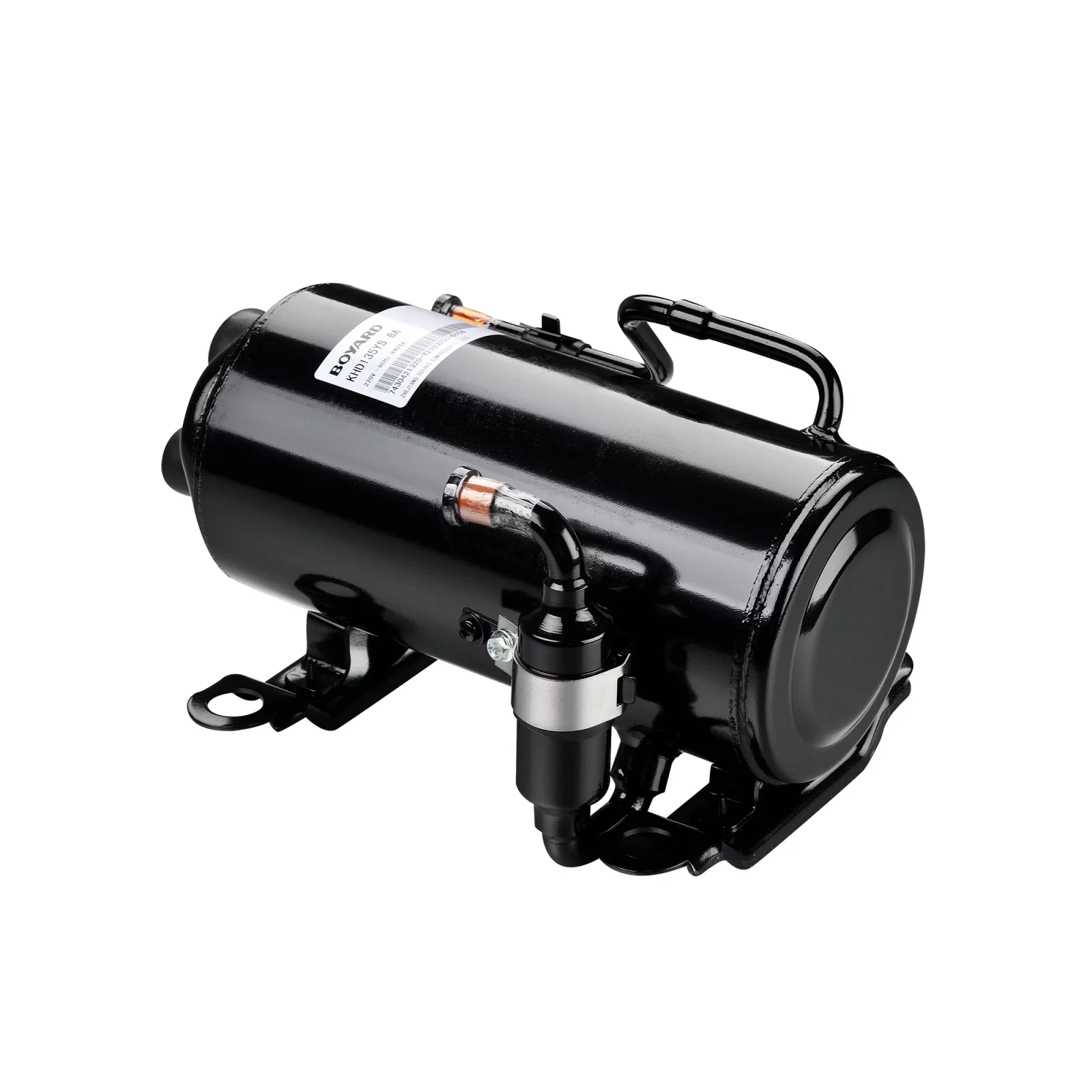
Boyard compressors for commercial fridges & freezers are designed to meet the rigorous demands of commercial kitchens. These compressors, especially horizontal, variable-speed, twin cylinders, provide efficient cooling and reliable performance, ensuring that food and beverages are stored at optimal temperatures. Ideal for restaurants, hotels, and catering services, Boyard compressors help maintain food quality and safety.

Core Challenges & Requirements for Restaurant Refrigeration

  • Uncompromising Energy Efficiency Restaurants operate on thin margins, making energy costs a critical concern. Compressors must achieve high Coefficients of Performance (COP) to minimize electricity expenses. A 5% efficiency gain translates to thousands in annual savings for large kitchens. Energy waste from frequent on/off cycles is particularly detrimental during peak hours, when refrigeration systems are already strained.
  • Versatile Temperature Control Modern kitchens require simultaneous cooling for diverse needs: Deep-freezing (-25℃) for raw seafood and meat storage. Chilled storage (+4℃) for fresh produce, dairy, and prepared dishes. Compressors must maintain stable cooling across this range without performance dips, even during repeated door openings or ingredient restocking.
  • Resilience Against Harsh Kitchen Conditions Kitchens are hostile environments for equipment: Heat stress from ovens and grills elevates ambient temperatures. Humidity and grease accelerate corrosion and wear. Frequent frost buildup disrupts workflow and demands quick recovery. Compressors must resist corrosion, withstand thermal shocks, and automate defrost cycles to minimize downtime.
  • Silent, Vibration-Free Operation In open-kitchen concepts and dining areas, compressors must operate below 60 dB to avoid disrupting guest experiences. Excessive vibrations can also destabilize sensitive kitchen equipment, such as espresso machines or refrigerated prep stations.
  • Space Optimization Urban restaurants often operate in cramped kitchens. Compressors must balance power output with compact dimensions, fitting seamlessly into tight spaces without compromising cooling capacity.
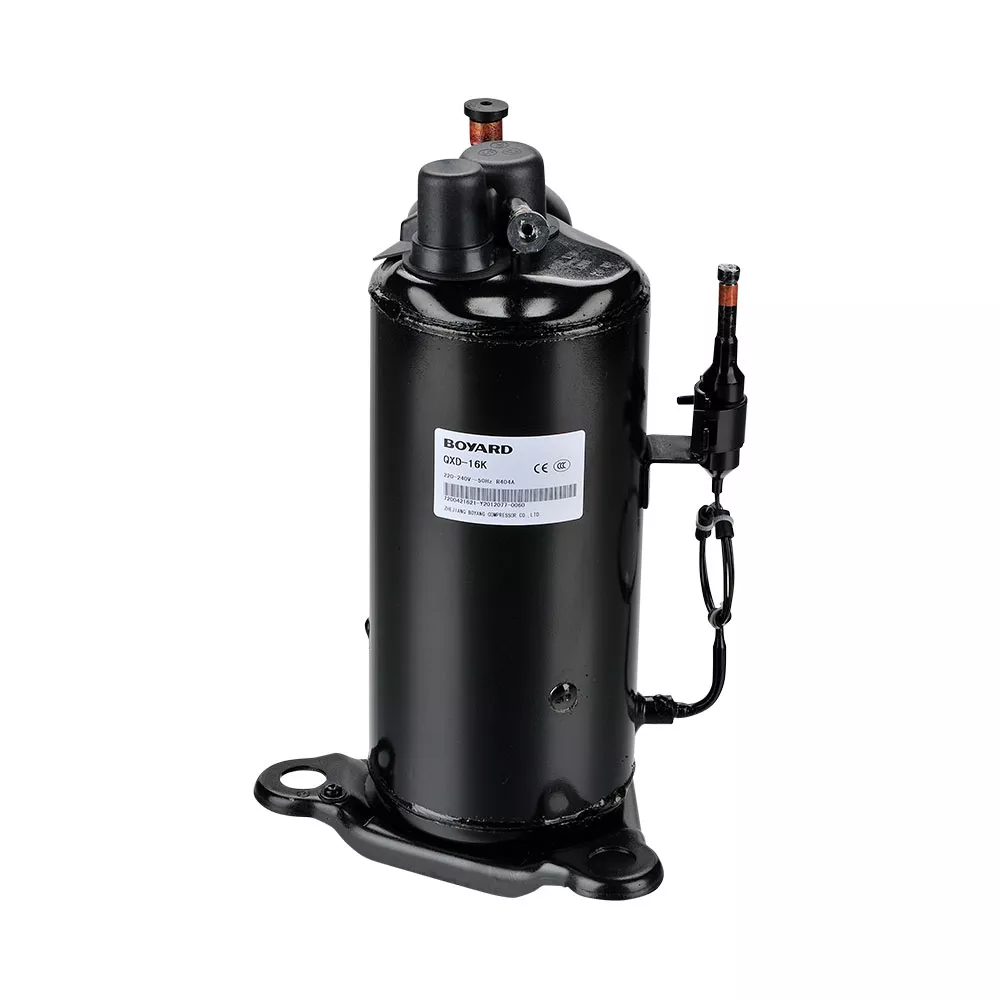
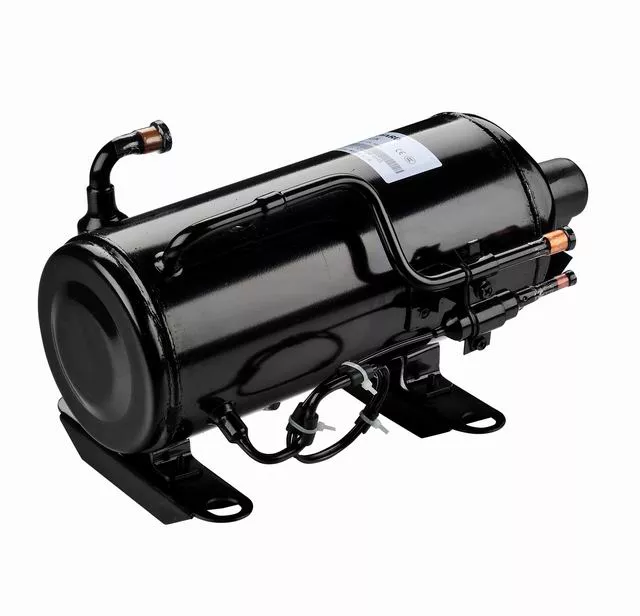
Boyard Rotary Compressors: Engineered for Hospitality Excellence

Boyard’s rotary compressors are purpose-built to solve the unique challenges of restaurant and hotel refrigeration. Their design philosophy prioritizes adaptability, efficiency, and durability—key pillars for hospitality operations.

Reliability for Continuous Operation

No reciprocating parts eliminate vibration, ensuring silent operation even in open kitchens. This design also reduces mechanical wear, enabling 100% load tolerance during peak hours (e.g., weekend brunch service or hotel banquet prep).
​Self-defrost systems automate ice removal, reducing manual intervention and preventing temperature fluctuations during busy dinner rushes.

Energy Efficiency Redefined

​20–30% lower friction losses compared to piston compressors directly cut energy bills.
​Variable-Speed Drives (VFDs) dynamically adjust motor speed (900–4,500 RPM) to match real-time demand. Unlike fixed-speed systems, VFDs eliminate energy-wasting on/off cycles—a critical advantage in 24/7 kitchen operations. This technology reduces peak current spikes by two-thirds, extending compressor lifespan to 12+ years.

Mastery of Extreme Temperatures

Certified for sub-zero operation (-25℃), Boyard compressors preserve sushi-grade proteins and other delicate items.
Withstands ambient heat up to +40℃, ensuring reliability even in kitchens with heat-generating equipment like ovens or dishwashers.

Compact Design Meets Scalability

Rotaries’ space-efficient build fits into narrow spaces, such as hotel pantries or back-of-house corridors.
​Multi-zone scalability allows VFDs to allocate cooling capacity dynamically. For example, a hotel’s kitchen can prioritize cold storage for banquets while maintaining standard cooling for dry goods.

Why Healthcare Professionals Choose Boyard

Proven Reliability:

99.9% uptime guaranteed across global installations in over 50 countries.

Sustainability:

Energy-efficient models reduce carbon footprints by up to 30%, aligning with ESG goals.

Related Products