Medical & Patient Cooling
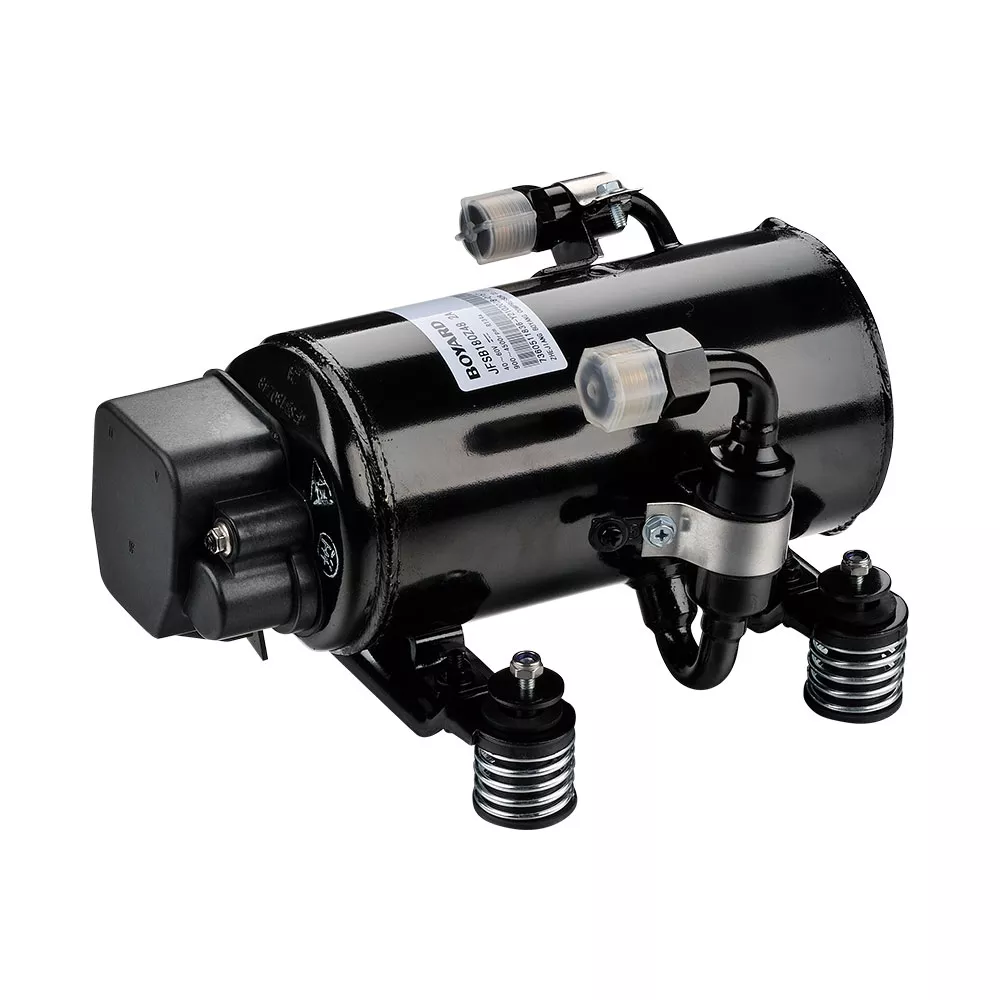
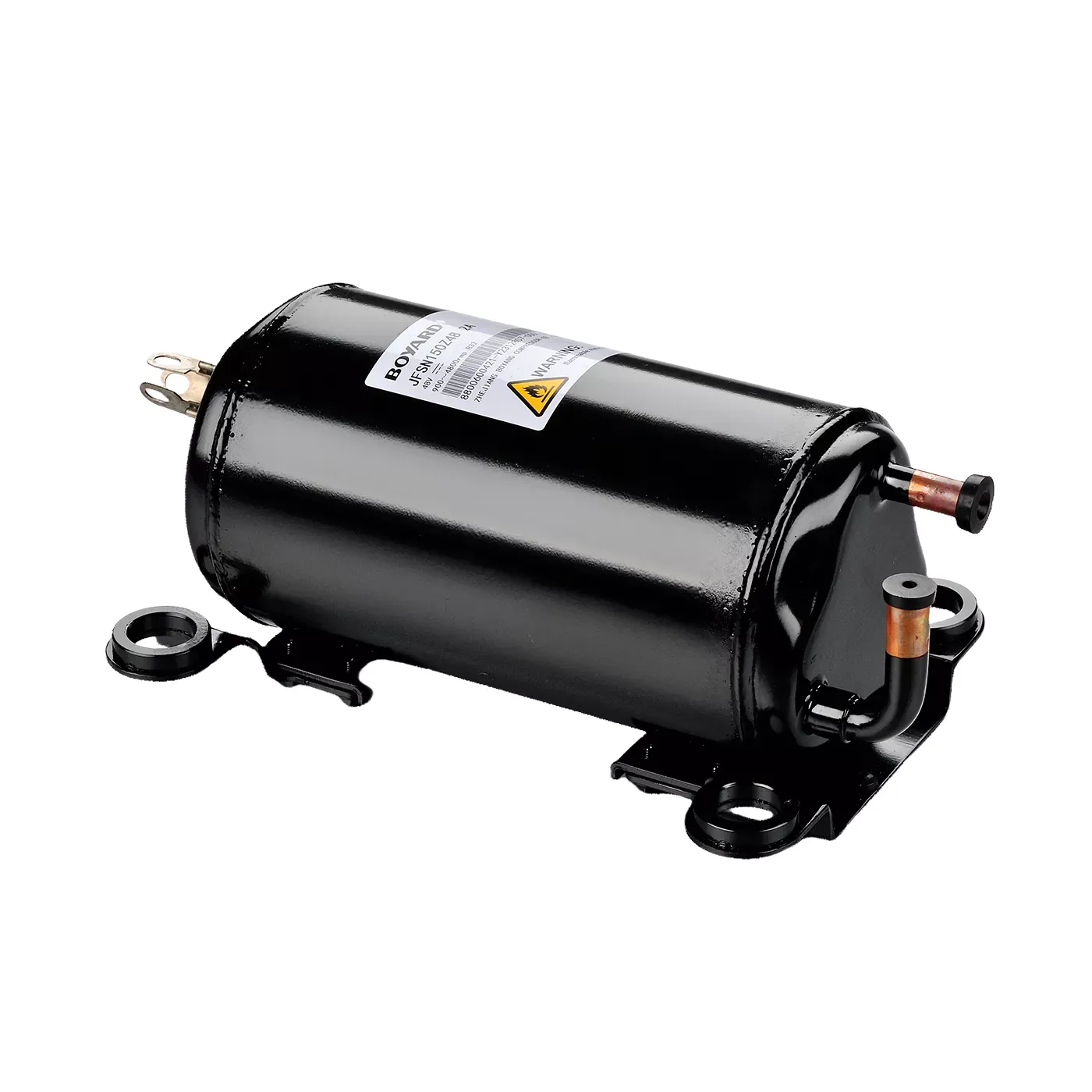
Boyard compressors and chiller systems for medical & patient cooling systems are engineered to provide precise and reliable temperature control. These compressors and chillers ensure the safety and comfort of patients by maintaining optimal temperatures in medical equipment and cooling systems. Boyard compressors are trusted by healthcare facilities for their performance and dependability.
Benefits of Mini Chillers
Mini chillers offer several advantages, making them ideal for medical device cooling:
Compact Design
Mini chillers are designed to be small and lightweight, allowing them to be easily integrated into medical devices without adding significant bulk.They typically consist of a compressor, condenser, evaporator, and a control system. The compressor pressurizes the refrigerant, which then passes through the condenser to release heat before entering the evaporator where it absorbs heat from the medical device, thus cooling it down. This intricate yet efficient process occurs within a small footprint, making mini chillers a versatile cooling solution.
High Efficiency
Today’s mini chillers are a testament to remarkable engineering achievements. They are equipped with advanced temperature sensors that constantly monitor the temperature of the medical device and adjust the cooling output in real-time. This level of precision ensures that the device is never overcooled or undercooled, optimizing its performance. Additionally, mini chillers incorporate energy-efficient technologies. Variable-speed compressors, for example, can modulate their power consumption based on the actual cooling demand, reducing energy waste. Some models also feature advanced heat exchangers that enhance heat transfer efficiency, further bolstering the overall cooling effectiveness while minimizing the environmental impact.
Saving Time and Resources
In a busy hospital or clinic, every minute counts. Mini chillers offer significant operational advantages. Their modular design enables quick and easy installation, replacement, and maintenance. If a mini chiller malfunctions, technicians can swiftly swap it out with a spare, minimizing downtime of the associated medical device. This is crucial as interrupted medical services can have serious consequences for patients. Moreover, the energy-efficient nature of these chillers translates into cost savings for healthcare facilities. By reducing power consumption, they help lower utility bills, allowing hospitals to allocate resources more effectively. In addition, mini chillers contribute to a quieter working environment, enhancing patient comfort as well as staff productivity.
Enhancing Diagnostic and Treatment Accuracy
The use of mini chillers for medical device cooling has a direct and profound impact on patient care. In diagnostic procedures, such as magnetic resonance imaging (MRI) or computed tomography (CT) scans, a stable and cool operating environment provided by mini chillers ensures clearer images. Clearer images lead to more accurate diagnoses, enabling doctors to make informed decisions about patient treatment. In surgical settings, mini chillers prevent overheating of surgical instruments, which could otherwise cause complications during operations. By maintaining the integrity of medical devices, mini chillers play a vital role in improving the overall quality of healthcare and increasing the chances of successful patient outcomes.
Applications in Medical Technology
Mini chillers are utilized across a range of medical devices, including:
- Diagnostic Imaging Equipment:
Machines such as MRI and CT scanners generate significant heat during operation. Mini chillers help maintain the necessary low temperatures, ensuring accurate imaging and preventing overheating. - Surgical Lasers:
Lasers used in various surgical procedures produce heat that must be dissipated to ensure precision and prevent tissue damage. Mini chillers provide the necessary cooling to maintain the laser’s performance. - Patient Monitoring Systems:
Continuous monitoring devices generate heat that needs to be managed to ensure accurate readings and patient safety. Mini chillers ensure these systems operate without thermal interference. - Laboratory Equipment:
Devices used in medical research, such as PCR machines, require precise temperature control for accurate testing. Mini chillers provide reliable cooling solutions for these instruments.
Future Trends and Innovations
As medical technology continues to advance, the demand for efficient and compact cooling solutions will grow. Future trends in mini chillers include:
Enhanced Efficiency
Ongoing innovations aim to improve the cooling efficiency of mini chillers, enhancing the performance of medical devices.
Smart Integration
Integration with smart technology will allow for real-time temperature monitoring and adjustments, ensuring optimal performance and safety.
Sustainability
Development of eco-friendly cooling technologies will address environmental concerns while providing effective thermal management.